 Breaking free from gambling addiction can feel overwhelming, especially when attempts to quit on your own have not worked. Many individuals find themselves stuck in a repeating cycle of gambling, regret, and renewed attempts to stop. The good news is that this cycle is not permanent. With the right combination of professional support, therapy, and structured recovery programs, lasting change is possible. Gambling addiction is treatable, and help is available for those ready to take the first step.
Understanding the Cycle of Gambling Addiction
Gambling addiction, also known as gambling disorder or compulsive gambling, is a behavioral health condition that affects impulse control and decision-making. It often develops gradually, starting as occasional gambling and progressing into a compulsive pattern that feels difficult to stop.
Over time, gambling becomes more than entertainment. It can become a coping mechanism for stress, emotional pain, or mental health challenges. This creates a cycle where temporary relief is followed by consequences such as financial stress, guilt, and emotional distress, which then fuel the urge to gamble again.
Why the Cycle Feels So Hard to Break
Understanding why gambling becomes repetitive is an important part of recovery.
Brain reward system involvement
Gambling activates the brain’s reward system and releases dopamine. This creates a temporary feeling of excitement or escape, reinforcing the behavior even when it leads to negative outcomes.
Emotional triggers and coping patterns
Stress, anxiety, loneliness, and depression often contribute to gambling behavior. Without healthier coping tools, individuals may rely on gambling as an emotional escape.
Environmental accessibility
Online betting platforms, casinos, and constant advertising make gambling highly accessible. This exposure increases the risk of relapse even when motivation to quit is strong.
Proven Treatment Options That Help Break the Cycle
Recovery is most effective when it includes structured care and evidence-based treatment approaches.
Inpatient treatment for intensive support
Inpatient programs provide a safe, structured environment where individuals can focus entirely on recovery. With 24-hour care, therapy sessions, and removal from gambling triggers, inpatient treatment helps stabilize behavior and address underlying issues. This level of care is especially helpful for severe addiction or co-occurring mental health conditions.
Outpatient treatment for flexible recovery
Outpatient programs allow individuals to receive professional care while maintaining daily responsibilities. Therapy sessions, group counseling, and skill development help individuals practice recovery strategies in real-life situations. This approach provides flexibility while still offering consistent support.
Therapy and mental health support
Therapy is a key part of breaking the cycle of gambling addiction. Cognitive behavioral therapy helps individuals identify harmful thought patterns and replace them with healthier responses. Individual therapy focuses on personal triggers, while group therapy provides accountability and shared understanding. Treating co-occurring conditions such as anxiety or depression is essential for long-term success.
Holistic and Faith-Based Recovery Support
Recovery involves more than stopping gambling behavior. It requires healing the whole person.
Mindfulness and emotional awareness
Mindfulness techniques help individuals observe urges without acting on them. This improves emotional regulation and reduces impulsive behavior over time.
Physical wellness and daily structure
Healthy routines that include exercise, sleep, and balanced nutrition support mental clarity and emotional stability. Structure helps reduce chaos and strengthens consistency in recovery.
Faith-based and values-driven healing
For many individuals, spiritual or faith-based support provides purpose, strength, and motivation. This can play a meaningful role in rebuilding identity and long-term resilience.
Personalized Care for Lasting Recovery
Every individual’s experience with gambling addiction is different. Personalized treatment plans ensure that care is tailored to specific triggers, history, and recovery goals. This individualized approach improves engagement and helps create practical strategies that work in real life, not just in theory.
Taking the First Step Toward Recovery
Breaking the cycle of gambling addiction starts with recognizing that help is needed and available. Recovery is not about willpower alone. It is about having the right tools, guidance, and support system in place.
If you or someone you love is struggling with gambling, reaching out for professional help is a powerful first step. With inpatient or outpatient treatment, therapy, and holistic support, it is possible to break the cycle and build a healthier, more stable future.
You do not have to face this alone. Support is available, and recovery can begin today.
 Many people struggling with gambling addiction find themselves stuck in a confusing and painful cycle. You may genuinely want to stop gambling, yet still feel pulled back into it again and again. This can lead to frustration, shame, and the belief that change is not possible. The truth is that compulsive gambling is not a failure of willpower. It is a treatable behavioral health condition that affects decision-making, impulse control, and emotional regulation. With the right recovery treatment, lasting change is absolutely achievable.
Understanding the Cycle of Compulsive Gambling
Gambling addiction, also known as gambling disorder, is more than a habit. It is a pattern of behavior reinforced by the brain’s reward system. When gambling becomes compulsive, it often serves as a way to cope with stress, emotional discomfort, or mental health challenges.
Even when someone wants to quit, the cycle can continue because the brain has learned to associate gambling with short-term relief or excitement. This creates a powerful internal conflict between intention and impulse.
Why You Keep Gambling Even When You Want to Stop
Understanding the reasons behind continued gambling is an important step toward recovery. Several key factors often contribute to the cycle.
Brain reward system reinforcement
Gambling triggers the release of dopamine, which creates feelings of excitement or relief. Over time, the brain begins to crave this reward response, even when the consequences are harmful. This is why urges can feel automatic and difficult to resist.
Emotional coping and escape
Many individuals use gambling as a way to cope with stress, anxiety, depression, or unresolved emotional pain. While it may temporarily distract from discomfort, it ultimately increases emotional distress over time.
Triggers in everyday life
Access to online betting platforms, financial stress, or exposure to gambling environments can activate strong urges. These triggers can appear suddenly and feel overwhelming without coping tools in place.
The cycle of chasing losses
After losses, some individuals gamble more in an attempt to recover money. This pattern often deepens the cycle and increases both emotional and financial consequences.
How Recovery Treatment Can Help Break the Cycle
Recovery is most effective when it includes structured, professional support that addresses both behavior and underlying emotional needs.
Inpatient treatment for focused stabilization
Inpatient programs provide a safe and structured environment where individuals can step away from gambling completely. With 24-hour support, therapy, and a trigger-free setting, inpatient care helps stabilize behavior and begin deep recovery work.
This level of care is especially beneficial for individuals experiencing severe addiction or co-occurring mental health conditions.
Outpatient treatment for real-world recovery
Outpatient programs allow individuals to continue daily responsibilities while receiving consistent therapeutic support. This includes counseling, group therapy, and skill-building sessions that help apply recovery tools in everyday life.
Outpatient care is effective for individuals who need structure while maintaining work, school, or family commitments.
Therapy and mental health support
Therapy is a core part of gambling addiction recovery. Cognitive behavioral therapy helps individuals recognize thought patterns that lead to gambling and replace them with healthier responses.
Individual therapy addresses personal triggers and emotional challenges, while group therapy provides connection, accountability, and shared understanding. Treating underlying mental health conditions such as anxiety or depression is essential for long-term recovery success.
Holistic and Faith-Based Support in Recovery
Healing from gambling addiction involves more than stopping the behavior. It requires rebuilding emotional balance and personal well-being.
Mindfulness and stress management
Mindfulness practices help individuals observe urges without acting on them. This improves emotional regulation and reduces impulsive reactions.
Physical wellness and daily structure
Exercise, sleep, and healthy routines support brain recovery and emotional stability. Structure helps reduce chaos and build consistency in daily life.
Faith-based and values-driven healing
For many individuals, faith or spiritual support provides hope, meaning, and strength during recovery. This can play an important role in rebuilding identity and purpose.
Personalized Treatment for Lasting Change
No two recovery journeys are the same. Personalized treatment plans ensure that care is tailored to each person’s triggers, history, and goals. This individualized approach improves engagement and helps create practical, long-term strategies that actually work in real life.
Taking the First Step Toward Recovery
If you keep gambling even when you want to stop, it does not mean you are failing. It means you are dealing with a condition that requires support, structure, and care. Recovery is possible, and many people have successfully rebuilt their lives with the right treatment.
Professional inpatient or outpatient care, therapy, and holistic support can help you break the cycle and regain control. If you or someone you love is struggling with gambling addiction, reaching out for help is a strong and important first step. Support is available, and change can begin today.
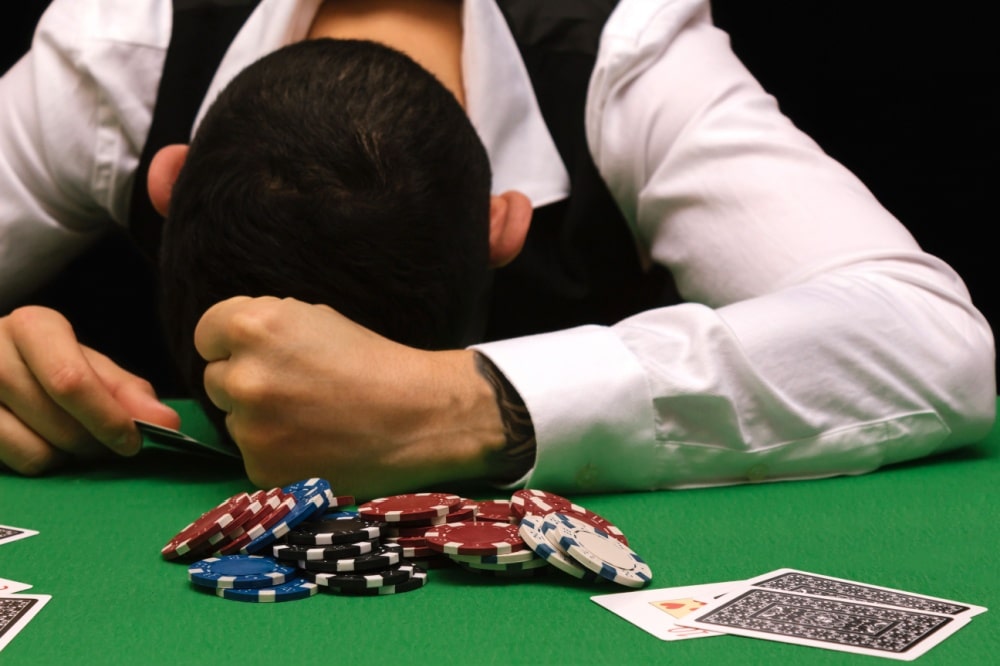 When gambling starts to feel impossible to stop, it is rarely about money alone. It becomes a cycle of urges, chasing losses, emotional highs, and deep regret that can take over daily life. Many people try to quit on their own, only to find themselves pulled back in again. If this sounds familiar, there is real, evidence-based help available. Gambling addiction is treatable, and with the right support, recovery is absolutely possible.
Understanding Why Gambling Feels So Hard to Control
Gambling addiction, also known as gambling disorder or compulsive gambling, is a behavioral health condition that affects how the brain processes reward and impulse control. Over time, gambling can shift from entertainment into a coping mechanism that feels difficult to escape.
Most individuals are not gambling just for fun anymore. They may be trying to manage stress, numb emotional pain, or escape anxiety or depression. This is why stopping on willpower alone often does not work. The behavior is reinforced on both a psychological and neurological level.
Why Quitting Alone Often Does Not Work
Trying to stop gambling without support can feel like fighting an uphill battle. There are several reasons for this:
Brain reward reinforcement
Gambling triggers dopamine release, which creates a temporary feeling of excitement or relief. The brain begins to associate gambling with reward, even when it leads to negative consequences.
Emotional triggers and coping patterns
Stress, loneliness, financial pressure, or unresolved emotional pain can all trigger the urge to gamble. Without healthier coping tools, the cycle often repeats.
Environmental access and exposure
Online betting platforms, advertisements, and social influences make gambling constantly accessible, increasing relapse risk even when motivation to quit is strong.
Understanding these factors is an important step toward removing self-blame and moving toward real solutions.
Real Treatment Options That Help People Recover
Effective gambling addiction recovery is not about one single solution. It is about combining structured treatment, emotional support, and personalized care.
Inpatient treatment for full stabilization
Inpatient programs provide a structured, supportive environment where individuals can step away from gambling triggers completely. With 24-hour care, therapy sessions, and medical and emotional support, inpatient treatment helps stabilize behavior and begin deep recovery work.
This level of care is especially helpful for severe addiction or when mental health conditions are also present.
Outpatient treatment for flexible recovery support
Outpatient programs allow individuals to continue working or managing family responsibilities while receiving consistent treatment. This includes counseling, therapy sessions, and group support.
Outpatient care helps individuals apply recovery skills in real-world situations while still having professional guidance.
Therapy and mental health treatment
Therapy is one of the most important parts of gambling addiction recovery. Cognitive behavioral therapy helps individuals identify harmful thought patterns and replace them with healthier responses.
Individual therapy focuses on personal triggers and emotional challenges, while group therapy provides accountability and shared understanding. Treating co-occurring conditions such as anxiety or depression significantly improves long-term outcomes.
Holistic and Faith-Based Support for Whole-Person Healing
Recovery is not just about stopping gambling. It is about rebuilding a balanced and meaningful life.
Mindfulness and emotional regulation
Mindfulness practices help individuals observe urges without reacting to them. This improves self-awareness and reduces impulsive behavior.
Physical wellness and structure
Exercise, sleep routines, and nutrition support brain recovery and emotional stability. Structure helps reduce chaos that often accompanies addiction.
Faith-based and values-centered recovery
For many individuals, faith or spiritual support provides meaning, hope, and strength during recovery. This can be a powerful part of rebuilding identity and purpose.
Personalized Care That Fits the Individual
No two recovery journeys are the same. That is why individualized treatment plans are essential. Personalized care considers each person’s history, triggers, mental health needs, and goals.
This approach increases engagement and helps create realistic, long-term recovery strategies that actually work in everyday life.
Taking the First Step Toward Recovery
If gambling feels impossible to stop, it is important to know that you are not alone and you are not beyond help. Gambling addiction is treatable, and recovery is possible with the right support system.
Professional treatment, therapy, and holistic care can help you break the cycle, regain control, and rebuild your life one step at a time.
If you or someone you love is struggling with gambling, reaching out for help is a powerful first step. Support is available, and lasting recovery can begin today.
 Gambling addiction can take more than money. It can take peace of mind, relationships, confidence, and emotional stability. For many people, the cycle of urges, betting, and regret feels exhausting and difficult to escape. True recovery is not just about stopping gambling. It is about healing the underlying emotional, psychological, and behavioral patterns that fuel it. With the right combination of professional treatment and holistic support, lasting recovery is absolutely possible.
Understanding Gambling Addiction as a Whole-Person Condition
Gambling addiction, also known as gambling disorder or compulsive gambling, is a recognized mental health condition. It affects how the brain processes reward, risk, and impulse control. Over time, gambling can become a coping mechanism for stress, anxiety, depression, or unresolved emotional pain.
This is why simply trying to stop gambling is often not enough. Without addressing the deeper causes, urges can return and the cycle can continue. Effective recovery requires a whole-person approach that supports both mental health and behavioral change.
Why Healing Requires More Than Willpower
Many individuals believe they should be able to stop gambling through discipline alone. While motivation is important, addiction works on a deeper level.
Brain reward system changes
Gambling activates dopamine, the brain’s reward chemical. This creates a powerful reinforcement loop that makes gambling feel rewarding even when it leads to harm.
Emotional avoidance patterns
Gambling often becomes a way to escape stress, loneliness, boredom, or emotional discomfort. Without healthier coping tools, the urge to gamble can feel overwhelming.
Environmental triggers
Online betting platforms, social influences, and financial stress can all trigger cravings, making it harder to maintain control without support.
Understanding these factors helps shift the focus from self-blame to effective, structured healing.
Professional Paths to Gambling Recovery
Professional treatment provides structure, accountability, and evidence-based care that supports long-term recovery.
Inpatient treatment for intensive recovery support
Inpatient programs offer a safe and structured environment where individuals can fully focus on healing. With 24-hour support, therapy sessions, and removal from gambling triggers, inpatient care is often recommended for severe addiction or co-occurring mental health conditions.
This level of care helps stabilize behavior, reduce urges, and begin the recovery process in a protected setting.
Outpatient treatment for flexible healing
Outpatient programs allow individuals to continue work, school, or family responsibilities while receiving structured treatment. This includes counseling, group therapy, and recovery education.
Outpatient care helps individuals practice new coping skills in real-world situations while still receiving consistent professional support.
Mental health therapy and emotional healing
Therapy is a core part of gambling addiction recovery. Cognitive behavioral therapy helps individuals identify harmful thought patterns and replace them with healthier responses.
Individual therapy provides a space to explore personal triggers, while group therapy offers shared experience and accountability. Treating co-occurring conditions such as anxiety or depression is essential for lasting recovery.
Holistic Approaches to Lasting Recovery
Healing beyond gambling requires more than stopping the behavior. It requires rebuilding emotional balance and overall well-being.
Mindfulness and stress management
Mindfulness practices help individuals become more aware of urges without acting on them. These tools reduce impulsivity and improve emotional regulation.
Physical wellness and routine building
Exercise, nutrition, and structured daily routines help restore stability and improve mental clarity. Physical health plays a direct role in emotional recovery.
Faith-based and meaning-centered support
For many individuals, faith-based care provides purpose, strength, and a sense of connection during recovery. Spiritual support can be an important part of rebuilding identity and direction.
Personalized Care for Individual Recovery Needs
No two recovery journeys are the same. Personalized treatment plans ensure that care is tailored to each person’s history, triggers, and goals.
This individualized approach improves engagement, builds confidence, and increases the likelihood of long-term success. It also ensures that treatment evolves as recovery progresses.
Taking the First Step Toward Healing
Recovery from gambling addiction is not just about stopping harmful behavior. It is about rebuilding a life that feels stable, meaningful, and fulfilling. With the right combination of professional treatment and holistic support, healing is possible.
If you or someone you care about is struggling with gambling, reaching out for help is a powerful first step. Inpatient care, outpatient programs, therapy, and holistic support can provide the structure needed to begin real change.
You do not have to go through this alone. Support is available, and lasting recovery can begin today.
 Gambling addiction can feel like a constant battle between intention and impulse. Many individuals genuinely want to stop gambling, yet find themselves overwhelmed by urges that seem to take control in the moment. This cycle can lead to financial strain, emotional distress, and damaged relationships. The path forward is not about willpower alone. It is about structured, personalized care that addresses the root causes of addiction and supports long-term recovery in a meaningful, sustainable way.
Understanding Gambling Addiction and Loss of Control
Gambling addiction, also known as gambling disorder or compulsive gambling, is a behavioral health condition that affects decision-making, impulse control, and emotional regulation. It is not simply a habit. It is a condition that alters how the brain responds to reward and risk.
Over time, gambling can become a coping mechanism for stress, anxiety, depression, or unresolved emotional pain. This is why many individuals feel trapped in a cycle of urges and temporary relief followed by regret. Without targeted treatment, this cycle often continues and intensifies.
Why Urges Feel So Powerful
Understanding why gambling urges feel so strong is an important step in recovery.
Brain reward response
Gambling activates the brain’s reward system, releasing dopamine and creating a short-lived feeling of excitement. The brain begins to associate gambling with relief or pleasure, which reinforces the behavior.
Emotional triggers
Stress, loneliness, boredom, or financial pressure can all trigger the urge to gamble. For many individuals, gambling becomes a way to escape uncomfortable emotions rather than process them.
Environmental reinforcement
Online betting platforms, advertisements, and social environments can make it difficult to avoid triggers. Even small cues can activate cravings.
Recognizing these influences helps shift the focus from self-blame to understanding the need for structured support.
How Personalized Care Transforms Gambling Recovery
Personalized care is one of the most effective approaches to treating gambling addiction because it addresses each individual’s unique experiences, triggers, and needs.
Inpatient and outpatient treatment options
Inpatient treatment provides a highly structured environment where individuals receive 24-hour support. This level of care removes access to gambling triggers and allows full focus on recovery. It is especially beneficial for those with severe addiction or co-occurring mental health conditions.
Outpatient treatment offers flexibility while still providing professional support. Individuals participate in therapy, counseling, and recovery programs while maintaining daily responsibilities. This helps apply recovery tools directly to real-life situations.
Mental health and therapeutic support
Effective recovery always includes mental health care. Cognitive behavioral therapy helps individuals identify thought patterns that lead to gambling behavior and replace them with healthier responses.
Individual counseling focuses on personal challenges and emotional triggers, while group therapy provides accountability and shared understanding. Addressing conditions such as anxiety or depression is also essential for long-term stability.
Holistic and faith-based approaches
Personalized care often includes holistic healing methods that support overall well-being. Practices such as mindfulness, meditation, exercise, and nutrition help regulate stress and improve emotional balance.
Faith-based support can also provide purpose, strength, and community connection during recovery. These approaches work alongside clinical treatment to support healing on multiple levels.
Individualized recovery planning
No two recovery journeys are the same. Personalized treatment plans are designed to match each individual’s history, triggers, and goals. This tailored approach improves engagement and increases the likelihood of long-term success.
Moving From Urges to Lasting Control
Recovery from gambling addiction is not about eliminating urges completely. It is about learning how to understand, manage, and reduce their power over time. With the right support system, individuals can move from feeling controlled by gambling to feeling in control of their choices and their future.
Taking the First Step Toward Recovery
If gambling has begun to feel overwhelming or difficult to control, reaching out for help is a powerful and important step. Professional treatment provides structure, guidance, and compassionate support designed to help individuals rebuild their lives.
With inpatient or outpatient care, therapy, and personalized recovery planning, lasting change is possible. You do not have to face this alone. Support is available, and recovery can begin today.
 Gambling addiction can quietly take over a person’s life, often before they fully realize the extent of the problem. What may begin as occasional betting can quickly turn into a compulsive cycle that affects finances, relationships, mental health, and self-esteem. The good news is that recovery is possible. With the right combination of professional treatment, structured support, and practical strategies, individuals can reclaim control and rebuild a stable, meaningful life.
Understanding Gambling Addiction
Gambling addiction, also known as compulsive gambling or gambling disorder, is a recognized behavioral health condition. It impacts the brain’s reward system, creating strong urges to gamble even when negative consequences are present. Over time, these patterns become deeply reinforced, making it difficult to stop without help.
Many individuals also experience co-occurring mental health challenges such as anxiety, depression, or trauma-related stress. These conditions often intensify gambling behavior, creating a cycle that feels impossible to break without professional support.
Why Gambling Becomes So Hard to Control
Understanding why gambling becomes compulsive is an important step toward recovery. Several key factors contribute to the cycle:
Brain reward patterns
Gambling triggers dopamine release, which creates a temporary feeling of excitement or relief. The brain begins to associate gambling with emotional reward, reinforcing the behavior over time.
Emotional escape
For many individuals, gambling becomes a way to cope with stress, loneliness, boredom, or emotional pain. While it may provide short-term relief, it ultimately deepens emotional distress.
Triggers in daily life
Online betting platforms, advertisements, financial stress, or social environments can all act as triggers that increase cravings and risk of relapse.
Recognizing these influences helps shift the focus away from blame and toward effective solutions.
Proven Strategies for Gambling Addiction Recovery
Recovery is most successful when it includes structured treatment and practical coping strategies.
Inpatient and outpatient treatment programs
Inpatient treatment provides 24-hour structured care in a safe environment. It removes access to gambling and allows individuals to focus fully on healing. This level of care is often recommended for severe addiction or when other mental health conditions are present.
Outpatient treatment offers flexibility while still providing professional support. Individuals attend therapy sessions, group counseling, and skill-building programs while continuing to manage daily responsibilities. This approach helps reinforce recovery in real-life situations.
Therapy and mental health support
Therapy plays a central role in gambling addiction recovery. Cognitive behavioral therapy helps individuals identify harmful thought patterns and replace them with healthier responses. Individual counseling focuses on personal triggers and emotional challenges, while group therapy provides accountability and shared understanding.
Treating underlying mental health conditions is also essential. Addressing anxiety, depression, or trauma significantly improves long-term recovery outcomes.
Holistic and faith-based healing approaches
Effective recovery goes beyond stopping gambling behavior. Holistic care supports healing of the mind, body, and spirit. Practices such as mindfulness, meditation, exercise, and proper nutrition help regulate stress and improve emotional stability.
Faith-based support can also provide a sense of purpose, strength, and community connection during recovery. These approaches work alongside clinical treatment to support long-term healing.
Personalized recovery planning
Every person’s experience with gambling addiction is different. Personalized treatment plans ensure that care is tailored to individual needs, triggers, and goals. This approach improves engagement and helps individuals build sustainable recovery skills that fit their lifestyle.
Taking the First Step Toward Recovery
Reclaiming your life from gambling addiction begins with recognizing that support is available and effective. Recovery is not about willpower alone. It is about having the right tools, guidance, and professional care.
If you or someone you care about is struggling with gambling, reaching out for help is a powerful first step. With inpatient or outpatient treatment, therapy, and holistic support, it is possible to regain control, repair relationships, and build a healthier future.
You do not have to face this alone. Help is available, and recovery is possible.
 For many individuals, quitting gambling feels impossible. The urges to place a bet, chase losses, or seek the thrill of winning can be overwhelming. Even when someone genuinely wants to stop, attempts to quit alone often fail. Gambling addiction is a complex mental health condition, and overcoming it requires more than willpower. With professional care, structured treatment, and personalized support, lasting recovery is achievable.
Understanding Gambling Addiction
Gambling addiction, also known as compulsive gambling or gambling disorder, is a serious condition that affects the brain’s reward system. It creates strong cravings, reinforces repetitive behavior, and often leads to significant financial, emotional, and social consequences.
People struggling with gambling addiction frequently experience co-occurring mental health challenges such as anxiety, depression, or stress-related disorders. Addressing these underlying issues is critical to breaking the cycle of compulsive gambling and achieving sustainable recovery.
Why Quitting Alone Is So Difficult
Many individuals attempt to stop gambling on their own, relying solely on willpower. While determination is important, it is rarely enough to overcome the biological and psychological factors that drive gambling addiction.
Brain Chemistry and Compulsive Behavior
Gambling activates the brain’s reward pathways, releasing dopamine and creating a temporary sense of pleasure. Over time, the brain becomes conditioned to seek this reward repeatedly, making urges difficult to resist.
Emotional and Environmental Triggers
Stress, loneliness, and personal challenges often trigger gambling as a coping mechanism. Additionally, exposure to casinos, online betting platforms, or social pressures can make relapse more likely. Professional support helps individuals identify and manage these triggers in a safe and structured environment.
How Expert Care Supports Recovery
Professional care provides evidence-based strategies, structured guidance, and accountability that cannot be replicated alone.
Inpatient and Outpatient Programs
Inpatient programs offer intensive, 24-hour care for individuals with severe gambling addiction or co-occurring mental health conditions. Removing access to gambling and providing constant support allows individuals to focus fully on recovery.
Outpatient programs provide therapy, counseling, and group support while allowing individuals to maintain work or family responsibilities. Both approaches are designed to provide a personalized path to recovery.
Therapy and Counseling
Cognitive-behavioral therapy helps individuals understand and change negative thought patterns that fuel gambling behavior. Individual therapy addresses personal challenges, while group therapy provides community, accountability, and peer encouragement. Treating co-occurring mental health conditions is essential for long-term success.
Holistic and Faith-Based Approaches
Recovery involves more than stopping gambling. Holistic and faith-based programs address mind, body, and spirit. Mindfulness, meditation, exercise, nutrition, and spiritual guidance help individuals manage stress, rebuild resilience, and create purpose beyond gambling. These strategies complement traditional therapy and strengthen long-term recovery.
Personalized Recovery Plans
Every person’s journey to recovery is unique. Expert treatment centers develop personalized care plans tailored to individual triggers, goals, and challenges. These plans increase engagement, build confidence, and support sustainable change.
Taking the First Step Toward Freedom
Acknowledging the need for help is a courageous first step toward recovery. Professional support, structured treatment, and holistic care provide the tools needed to break free from compulsive gambling.
If you or a loved one is struggling with gambling, reach out to a qualified addiction recovery provider today. Explore inpatient or outpatient programs, therapy, and holistic support designed to help you regain control, rebuild relationships, and create a meaningful life free from gambling. With expert guidance, quitting gambling alone is no longer necessary, and lasting recovery is within reach.
 For many individuals, gambling begins as a casual activity but can quickly spiral into a compulsion that affects every aspect of life. When gambling becomes uncontrollable, it impacts finances, relationships, and emotional well-being. Quitting on your own often feels impossible, but the right support, structured treatment, and holistic care can help individuals break free from gambling and rebuild a balanced, fulfilling life.
Understanding Gambling Addiction
Gambling addiction, also called compulsive gambling or gambling disorder, is a recognized behavioral and mental health condition. It alters the brain’s reward pathways, creating intense urges and reinforcing repetitive betting behavior even when it causes significant harm.
Compulsive gambling rarely exists in isolation. Many individuals experience co-occurring mental health challenges such as anxiety, depression, or stress-related disorders. Addressing these underlying factors is critical to achieving sustainable recovery.
Why Professional Support Matters
Overcoming gambling addiction with willpower alone is often ineffective. Urges are driven by both biological and emotional factors, including changes in brain chemistry and responses to stress or emotional triggers. Professional support provides the tools, guidance, and accountability necessary to navigate these challenges.
Inpatient and Outpatient Treatment Options
Inpatient treatment programs provide 24-hour care in a safe environment, allowing individuals to focus solely on recovery while minimizing exposure to gambling triggers. This intensive approach is particularly beneficial for severe addiction or for individuals with co-occurring mental health conditions.
Outpatient programs offer structured therapy and support while allowing individuals to maintain work, school, or family responsibilities. This flexible approach combines counseling, group sessions, and coping strategies that can be practiced in real-life settings.
Therapy and Mental Health Support
Therapy is essential for understanding and managing compulsive gambling. Cognitive-behavioral therapy helps individuals identify harmful thought patterns and replace them with healthier coping strategies. Individual counseling addresses personal triggers, while group therapy provides accountability and peer support. Treating co-occurring mental health conditions reduces the risk of relapse and improves overall well-being.
Holistic and Faith-Based Approaches
Recovery goes beyond stopping gambling. Holistic care addresses mind, body, and spirit. Techniques such as mindfulness, meditation, exercise, nutrition, and faith-based guidance equip individuals with tools to manage stress, build resilience, and create meaning beyond gambling. These practices complement therapy and support long-term recovery.
Personalized Care Plans
Every recovery journey is unique. Professional treatment centers design personalized care plans tailored to each person’s challenges, goals, and triggers. Individualized strategies improve engagement, foster motivation, and enhance the likelihood of sustained recovery.
Taking the First Step Toward Freedom
Acknowledging the need for help is a courageous step. Structured treatment, professional therapy, and holistic support provide the foundation for breaking free from gambling addiction.
If you or a loved one is struggling with gambling, reach out to a qualified addiction recovery provider today. Explore inpatient or outpatient programs, therapy, and holistic care options designed to help you regain control, rebuild relationships, and achieve lasting recovery. With the right support, freedom from gambling is possible, and a healthier, balanced life is within reach.

 Breaking free from gambling addiction can feel overwhelming, especially when attempts to quit on your own have not worked. Many individuals find themselves stuck in a repeating cycle of gambling, regret, and renewed attempts to stop. The good news is that this cycle is not permanent. With the right combination of professional support, therapy, and structured recovery programs, lasting change is possible. Gambling addiction is treatable, and help is available for those ready to take the first step.
 Many people struggling with gambling addiction find themselves stuck in a confusing and painful cycle. You may genuinely want to stop gambling, yet still feel pulled back into it again and again. This can lead to frustration, shame, and the belief that change is not possible. The truth is that compulsive gambling is not a failure of willpower. It is a treatable behavioral health condition that affects decision-making, impulse control, and emotional regulation. With the right recovery treatment, lasting change is absolutely achievable.

 For many individuals, quitting gambling feels impossible. The urges to place a bet, chase losses, or seek the thrill of winning can be overwhelming. Even when someone genuinely wants to stop, attempts to quit alone often fail. Gambling addiction is a complex mental health condition, and overcoming it requires more than willpower. With professional care, structured treatment, and personalized support, lasting recovery is achievable.
 For many individuals, gambling begins as a casual activity but can quickly spiral into a compulsion that affects every aspect of life. When gambling becomes uncontrollable, it impacts finances, relationships, and emotional well-being. Quitting on your own often feels impossible, but the right support, structured treatment, and holistic care can help individuals break free from gambling and rebuild a balanced, fulfilling life.